FCSS_NST_SE-7.6 Fortinet NSE 6 - Network Security 7.6 Support Engineer Free Practice Exam Questions (2026 Updated)
Prepare effectively for your Fortinet FCSS_NST_SE-7.6 Fortinet NSE 6 - Network Security 7.6 Support Engineer certification with our extensive collection of free, high-quality practice questions. Each question is designed to mirror the actual exam format and objectives, complete with comprehensive answers and detailed explanations. Our materials are regularly updated for 2026, ensuring you have the most current resources to build confidence and succeed on your first attempt.
Refer to the exhibits.
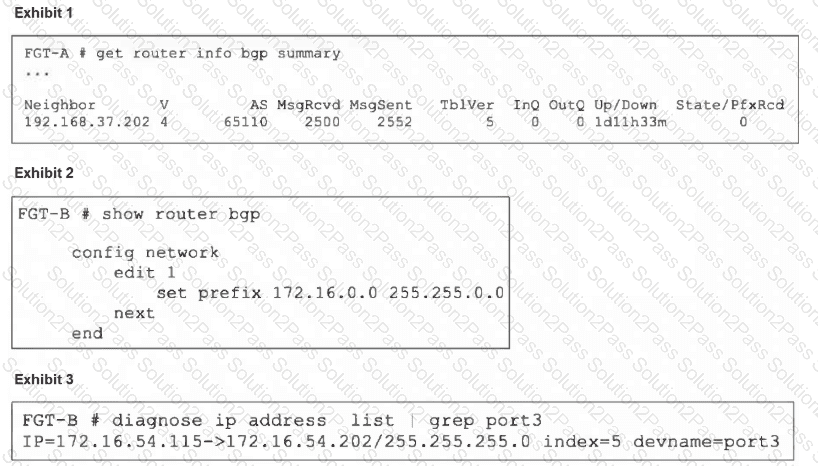
An administrator is attempting to advertise the network configured on port3. However, FGT-A is not receiving the prefix.
Which two actions can the administrator take to fix this problem? (Choose two.)
What are two functions of automation stitches? (Choose two.)
What is an accurate description of LDAP authentication using the regular bind type?
Refer to the exhibit, which shows the output of get router info bgp summary.
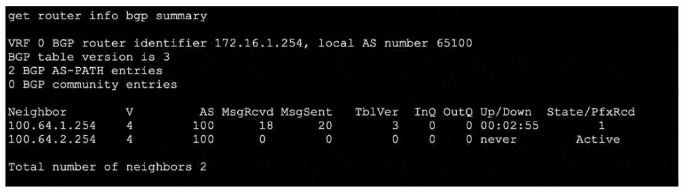
Which two statements are true? (Choose two.)
Exhibit.
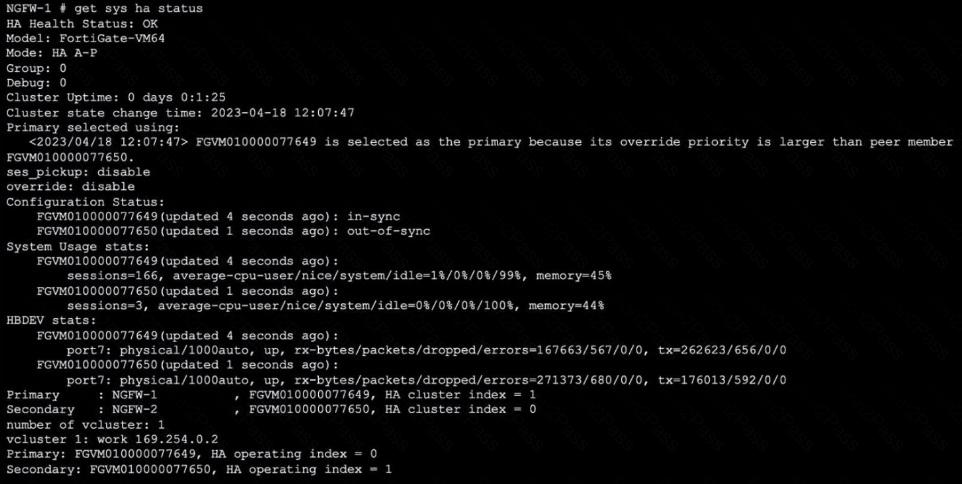
Refer to the exhibit, which shows the output of get system ha status.
NGFW-1 and NGFW-2 have been up for a week.
Which two statements about the output are true? (Choose two.)
Refer to the exhibit.
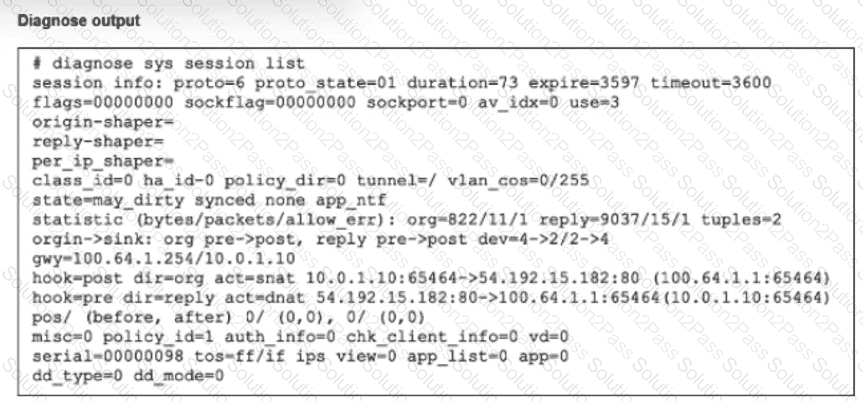
The output of diagnose sys session list command is shown.
If the HA ID for the primary device is 9, what happens if the primary fails and the secondary becomes the primary?
Refer to the exhibit.
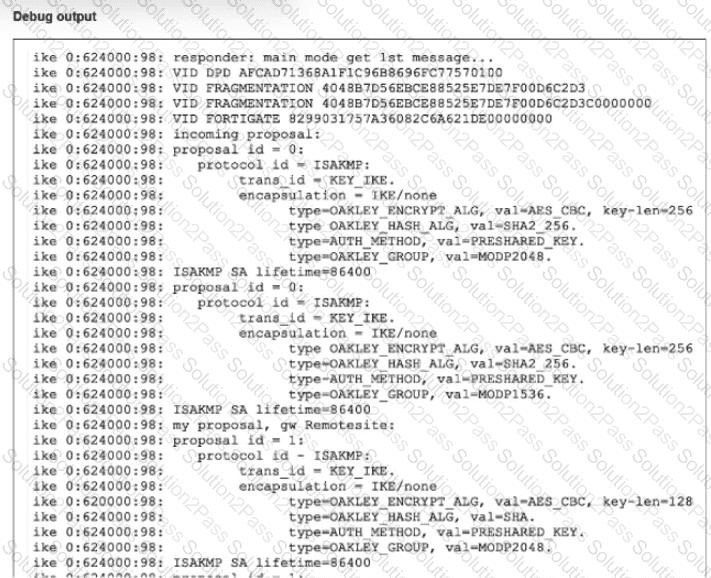
A partial output from an IKE real-time debug is shown
The administrator does not have access to (he remote gateway
Based on the debug output, which two conclusions can you draw? (Choose two.)
Refer to the exhibit.

The partial output of a session table entry is shown.
Which two statements about the output shown in the exhibit are correct? (Choose two.)
In the SAML negotiation process, which section does the Identity Provider (IdP) provide the SAML attributes utilized in the authentication process to the Service Provider (SP)?
Which two statements about an auxiliary session ate true? (Choose two.)
Refer to the exhibit.
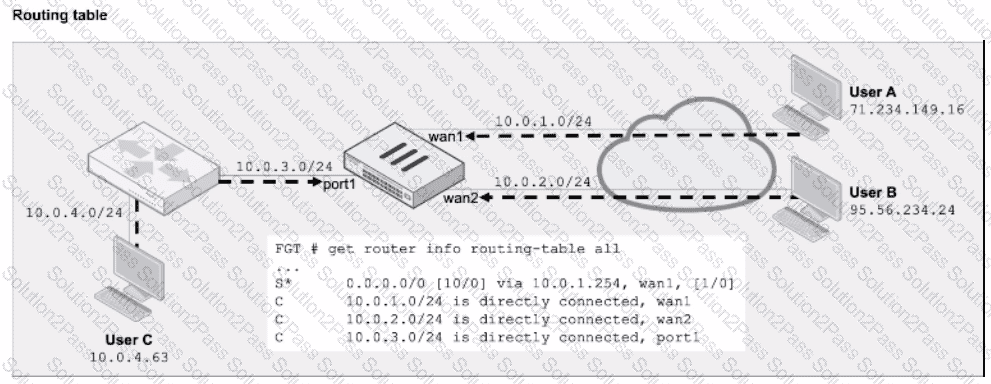
The routing table information is shown.
Assuming a default configuration, which three statements about the RPF check on FortiGate are
correct? (Choose three.)
Refer to the exhibit.
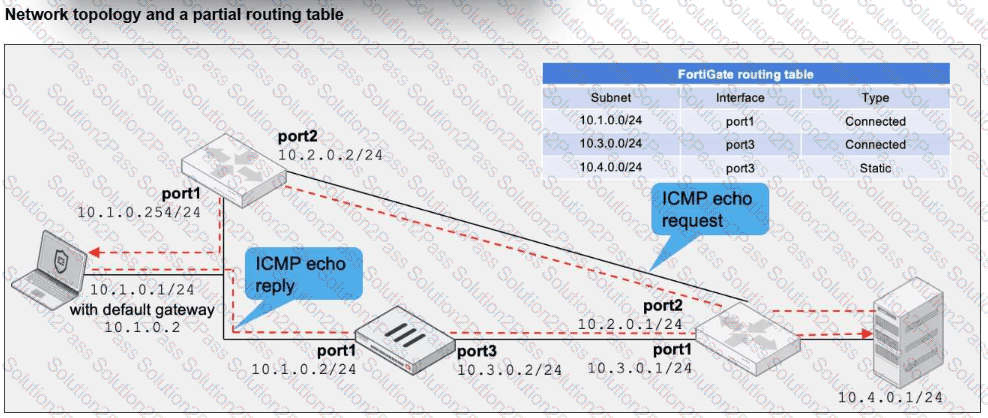
A network topology and a partial routing table are shown.
FortiGate has already been configured with a firewall policy that allows all ICMP traffic to flow from port1 to port3.
Which two changes can the administrator perform to ensure the server at 10.4.0.1/24 receives the ICMP echo reply from the laptop at 10.1.0.1/24? (Choose two.)
Refer to the exhibit.
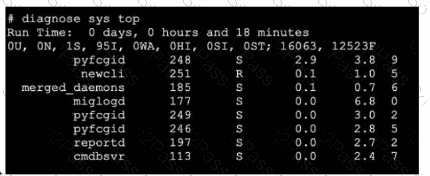
Which three pieces of information does the diagnose sys top command provide? (Choose three.)
Exhibit.
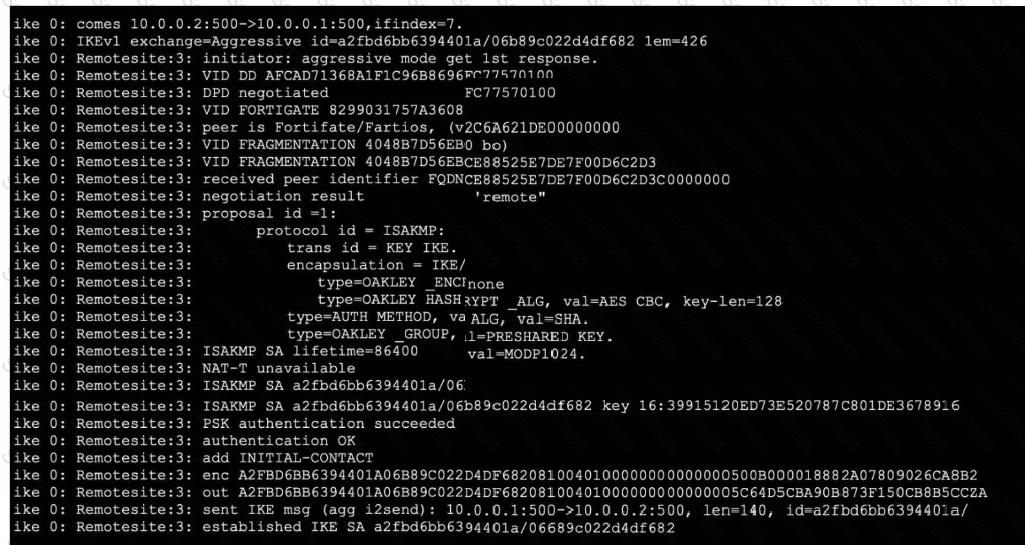
Refer to the exhibit, which contains partial output from an IKE real-time debug.
Which two statements about this debug output are correct? (Choose two.)
A FortiGate administrator is troubleshooting a VPN that is failing to establish.
As a first step, the administrator is attempting to sniff the traffic using the command:
# diagnose sniffer packet any ‘’udp port 500 or udp port 4500 or esp’’ 4
After several minutes there is still no output. What is the most Likely reason for this?
Which two statements about Security Fabric communications are true? (Choose two.)
Refer to the exhibit, which shows the partial output of a diagnose command.
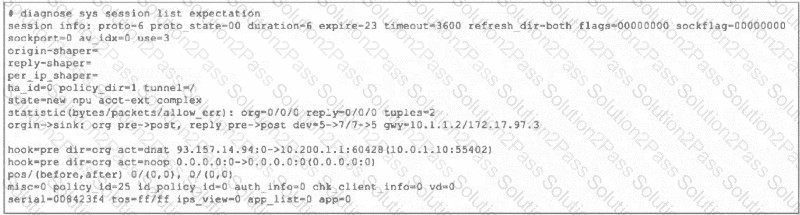
Which two conclusions can you draw from the output shown in the exhibit? (Choose two.)
Refer to the exhibit, which shows a truncated output of a real-time LDAP debug.

What two conclusions can you draw from the output? (Choose two.)
Refer to the exhibit, which shows the omitted output of a session table entry.

Which two statements are true? (Choose two.)
Which three common FortiGate-to-collector-agent connectivity issues can you identify using the FSSO real-time debug? (Choose three.)